Step Away, Make Something Real

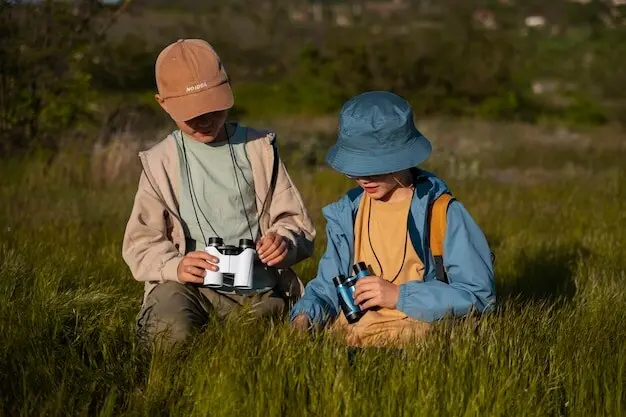
Today we’re diving into Analog Hobbies for Screen Breaks, celebrating simple, tactile practices that restore attention and joy when notifications fade. Expect gentle routines, real stories, and practical kits you can pack in a pocket, inviting steadier energy, clearer thinking, and kinder rhythms every ordinary day. Share your favorite unplugged habit in the comments, and subscribe for weekly prompts that fit into real breaks.

Why Hands-On Activities Restore Focus
Putting fingers to wood, paper, yarn, or strings engages senses screens rarely reach, inviting slower breath and steadier attention. Light effort, visible progress, and comforting repetition calm mental noise without demanding perfection. Whether doodling a leaf or sanding a spoon, you gain small, honest feedback loops that rebuild concentration. Try these approaches to feel tension release, curiosity reawaken, and a lighter mood appear before you even notice you have stopped checking messages.

Getting Started With Minimal Gear

Starting small keeps commitment friendly and flexible. A few simple tools fit into daily life without expense or clutter, letting you step away from screens in minutes. Choose materials that feel good to touch, require little setup, and reward curiosity quickly, so you return tomorrow gladly.

Craft Stories From Real Breaks

Personal experiments reveal how analog habits fit into unpredictable schedules. By noticing textures, smells, and small victories, you create memories stronger than any notification. These short stories show how ordinary pauses—commutes, lunches, and late evenings—quietly become workshops where patience grows and stress dissolves without fanfare.

Commute Sketcher

Standing on the bus, Elena sketched shoes and window reflections with a stubby pencil. Five stops later, she felt calmer, almost proud. Weeks of tiny drawings became a pocket gallery, reminding her that waiting time can be practiced time, gently reshaping mornings and evenings.

Lunch-Whittler

Marco packed a small basswood blank and carving knife, then sat beneath a maple during lunch. Fifteen careful minutes each day rounded a spoon that served oatmeal by Friday. He returned to spreadsheets steadier, hands scented with wood, posture lifted by quiet accomplishment.

Analog Music Minutes

Sofia kept a ukulele by the couch and strummed between episodes she no longer streamed. Three chords softened a difficult afternoon, and a new melody arrived during dishes. Progress lived in fingertips, not badges, and her evenings unwound with laughter shared across a small song.

Rituals That Protect Screen-Free Time

Timer, Kettle, Begin

Boil water, pour tea, and start a twenty‑minute sand timer beside your notebook or carving board. The sound, warmth, and movement signal a shift. When grains finish, stop happily, leave the result as‑is, and notice how completion sweetens tomorrow’s return.

Leave Evidence

Stage supplies in sight: a block half carved, a page with penciled guidelines, yarn wound around needles. Visible progress invites the next session before you sit. Lowering friction by inches can reclaim hours, because starting becomes easier than scrolling for just one minute.

Group Quiet Hour

Pick a weekly hour with friends or colleagues, cameras off, microphones muted, everyone making something tangible. Share only the starting intention and a closing detail. Accountability feels friendly, and seeing others try messy steps normalizes learning curves while strengthening trust and playful courage.

Skill Growth Without Apps

Learning analog crafts can be structured, joyful, and trackable with notebooks, mentors, and printed guides. Set goals, review mistakes, and celebrate tiny milestones you can feel in hands and eyes. You will absorb techniques deeply, at a human pace, without algorithmic nudges.
Download or photocopy a few reliable tutorials, staple them into a thin booklet, and annotate the margins after each session. Handwritten reflections beat checkboxes, highlighting questions and breakthroughs. Over time, your notes become a personalized manual that shortens plateaus and simplifies reviews.
Visit a community center, woodworking shop, yarn store, or calligraphy meetup and introduce yourself kindly. Most practitioners love welcoming beginners and offering safe, practical advice. A single afternoon beside a patient teacher can replace weeks of confusion and ignite surprising confidence.

Make It Social, Keep It Slow

Analog activities flourish when shared gently, not hurried into competition. Create inclusive spaces that welcome fits of laughter, long pauses, and supportive silence. Celebrate process photos, miscuts, and redo attempts. Togetherness multiplies patience, making breaks restorative even during demanding seasons and surprising schedules.

Swap Meets and Zines

Host a monthly table where people trade handmade notebooks, carved stamps, letterpress scraps, and tiny tools. Add a photocopier for mini‑zines that capture tips and joyful mistakes. Everyone leaves lighter, inspired, and stocked for the next unplugged afternoon or gentle commute.

Pen Pal Collaborations

Pair artists, crafters, or curious beginners as mail partners who pass a project back and forth. A stitched patch travels, a sketch grows, a poem is illuminated. The mailbox becomes rehearsal space, and screens feel less magnetic as real envelopes accumulate.
Kentonovipira
Privacy Overview

This website uses cookies so that we can provide you with the best user experience possible. Cookie information is stored in your browser and performs functions such as recognising you when you return to our website and helping our team to understand which sections of the website you find most interesting and useful.